 Dr Kashif Khan
  Sabrina
  Yasmeen
  Amaani
  Safa
Safa  Eva
Eva  Eczema
  Psoriasis
 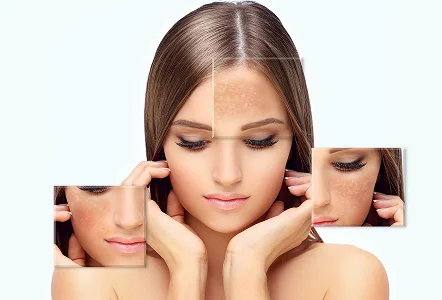 Discolouration or pigmented skin
 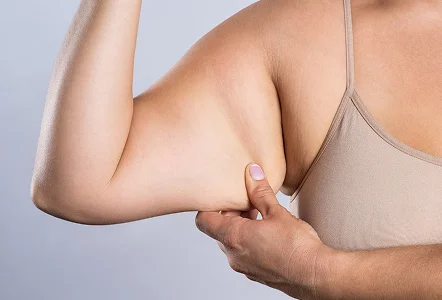 Skin laxity
 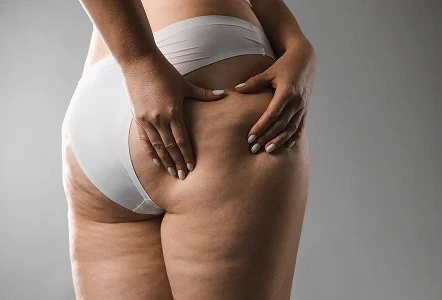 Cellulite
 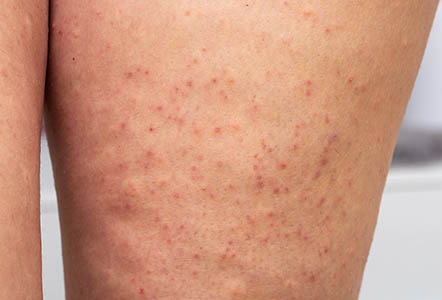 Strawberry legs
  Acne
Acne  Age spot
  Combination Skin
  Dry Skin
 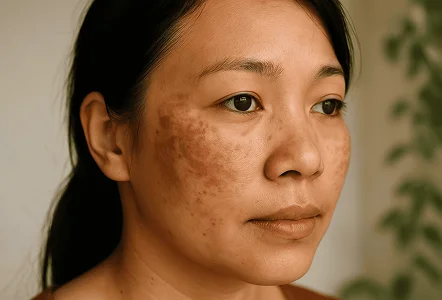 Melasma
 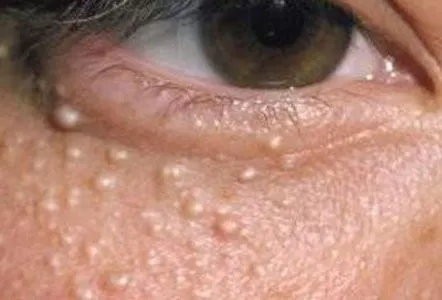 Milia
Milia 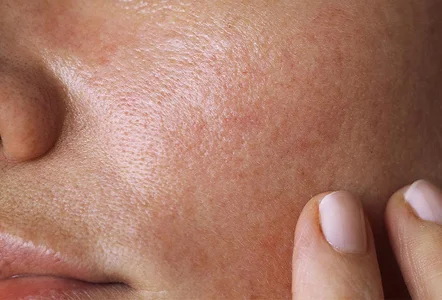 Oily Skin
 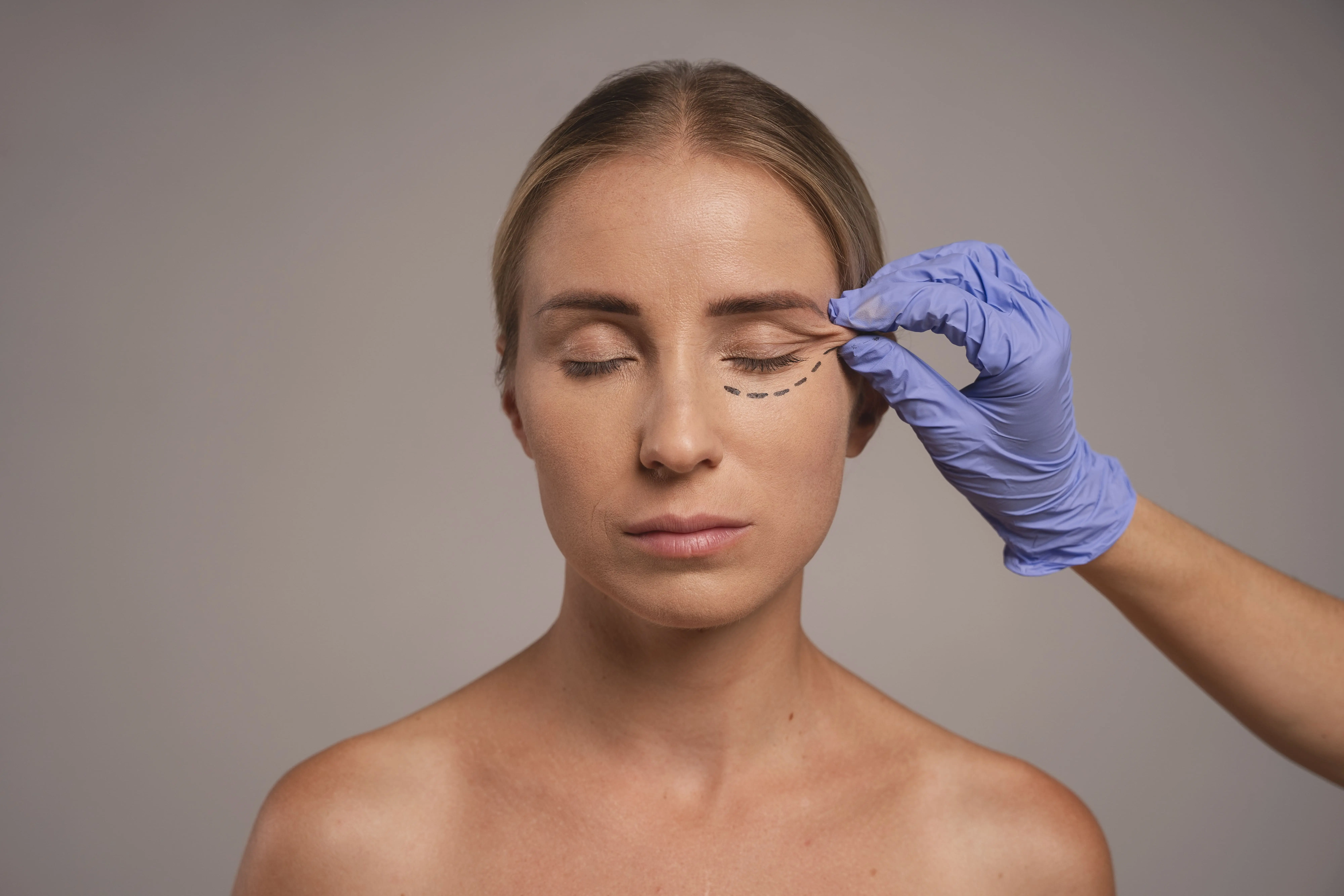 Periorbital Veins
  Rosacea
  Scarring
  Sensitive Skin
  Wrinkly Skin
  Male pattern baldness
 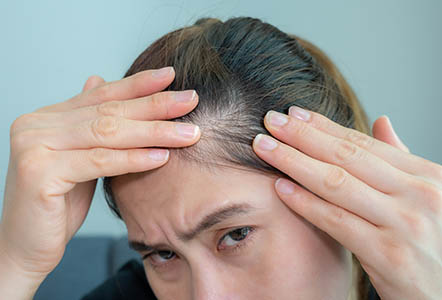 Female pattern hair loss
  Muscle loss
  Excess fat
 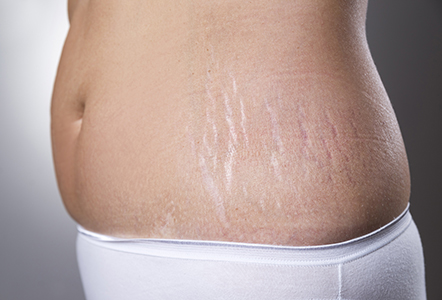 Stretch marks (striae)
 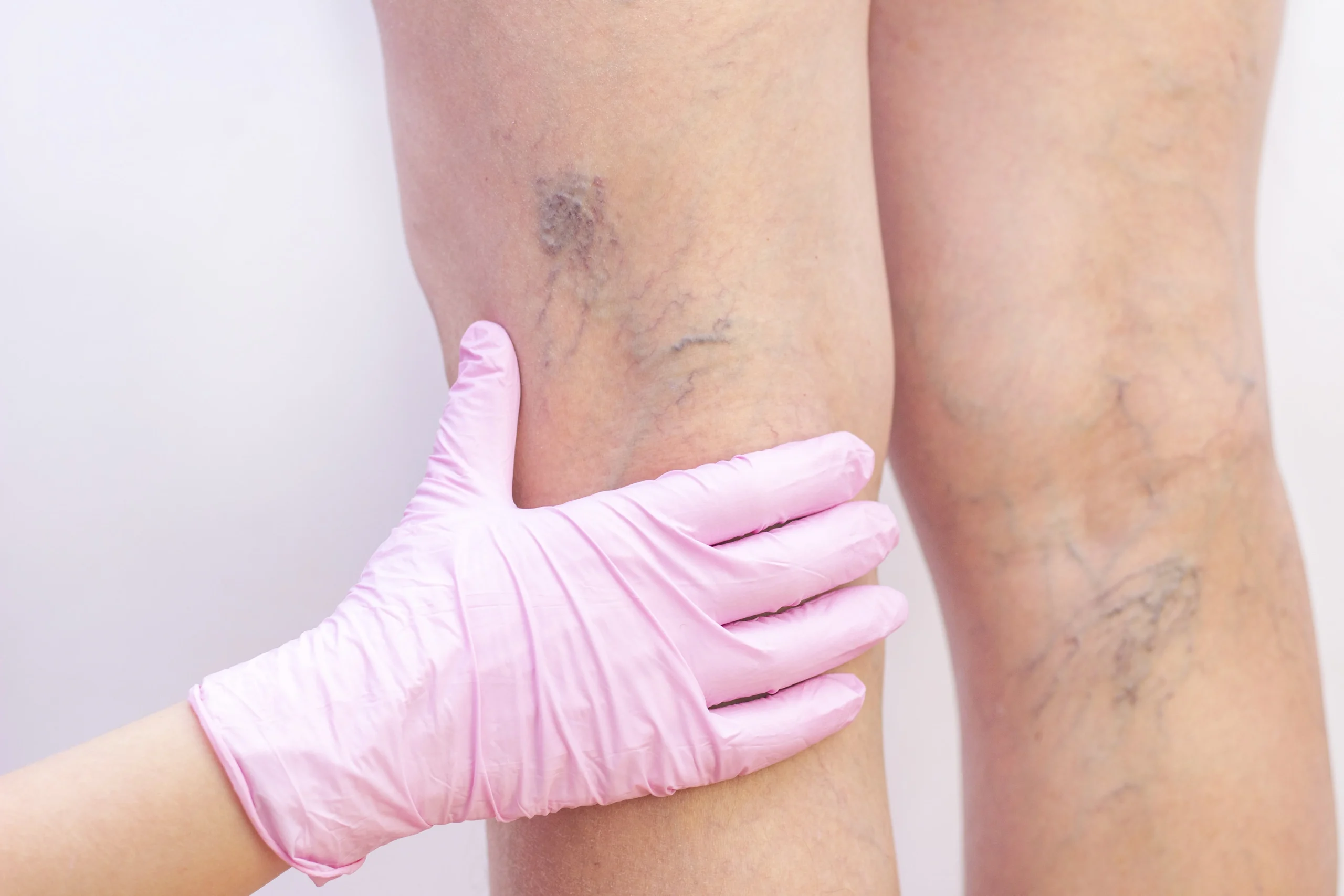 Telangiectasia or Broken Veins
 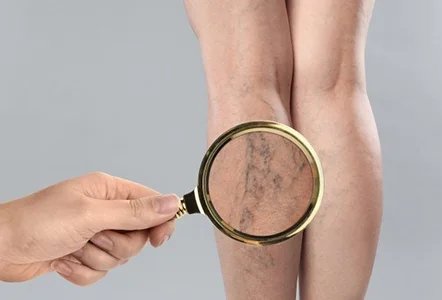 Thread Vein
 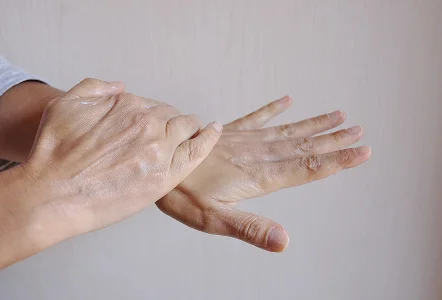 Ageing hands
 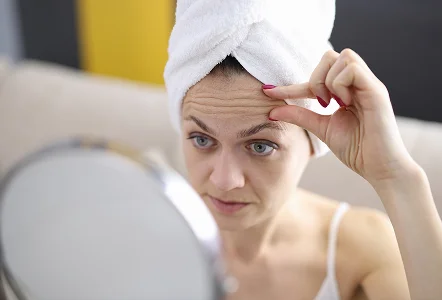 Facial wrinkles
  Ageing, Sagging Skin
 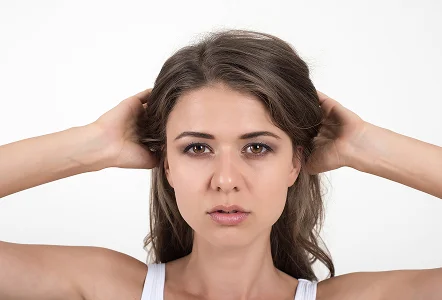 Facial volume loss
  Post-natal concerns
  Polycystic ovary syndrome
  Gummy smile
  Teeth grinding
 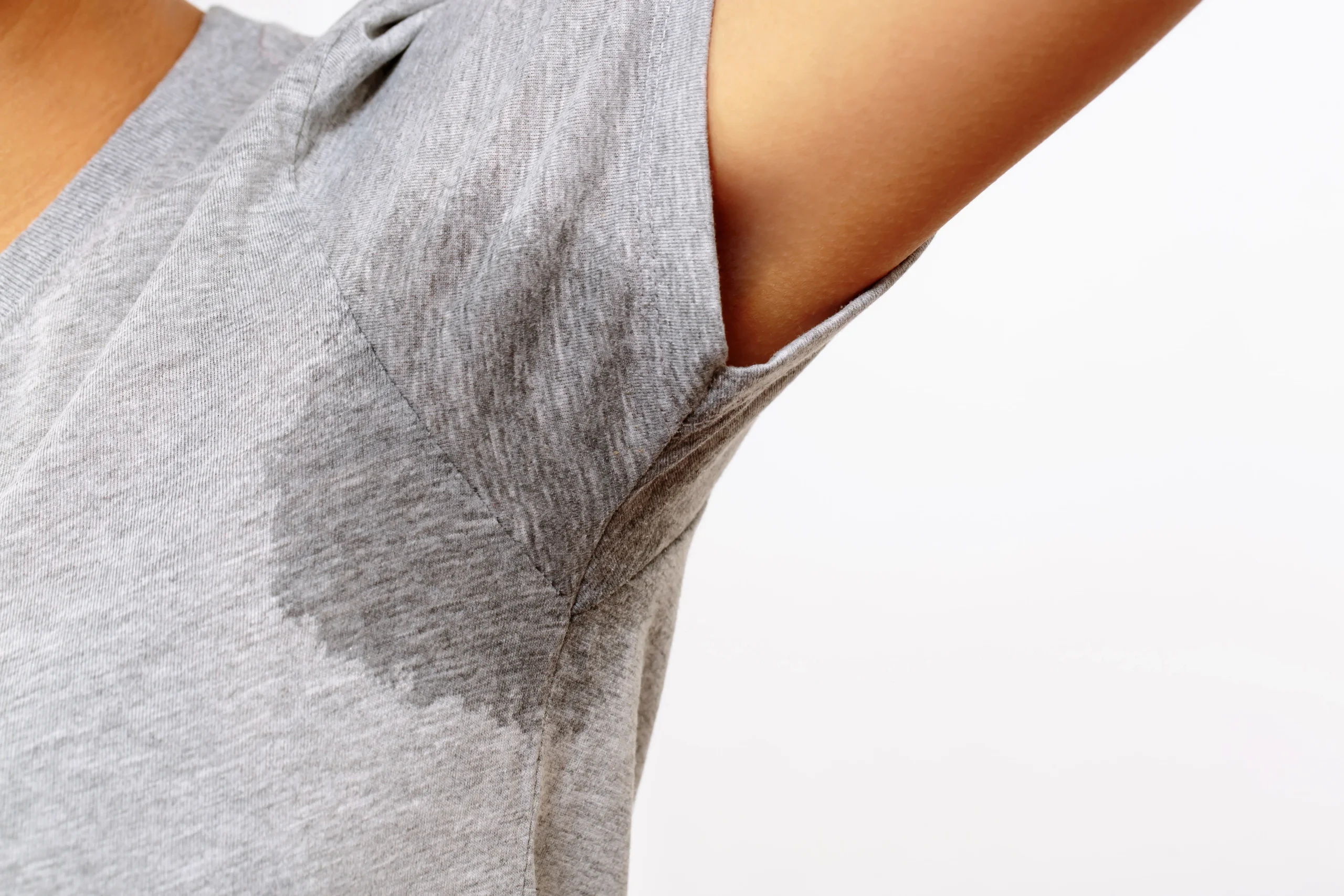 Hyperhidrosis
  Hooked Nose/Bump
  Laugh Lines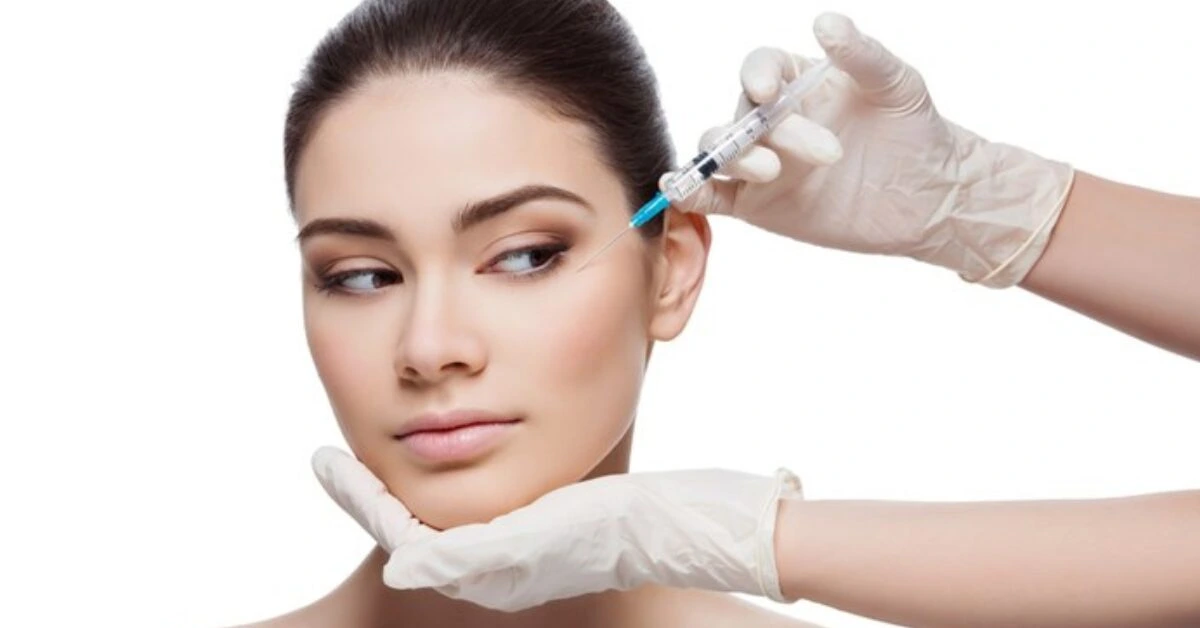
Have you ever looked in the mirror and noticed fine lines or wrinkles around your eyes that seem to make you look older, tired or stressed? Fine lines around the eyes, such as crow’s feet and under-eye wrinkles, can significantly impact your self-esteem. These signs of ageing often make us feel self-conscious and less confident, as the eyes are one of the first places to show the effects of ageing.
In this blog, we’ll explore how Botox can help reduce the appearance of fine lines and wrinkles around the eyes, the benefits and what you can expect from the treatment.
What is Botox for the eyes?
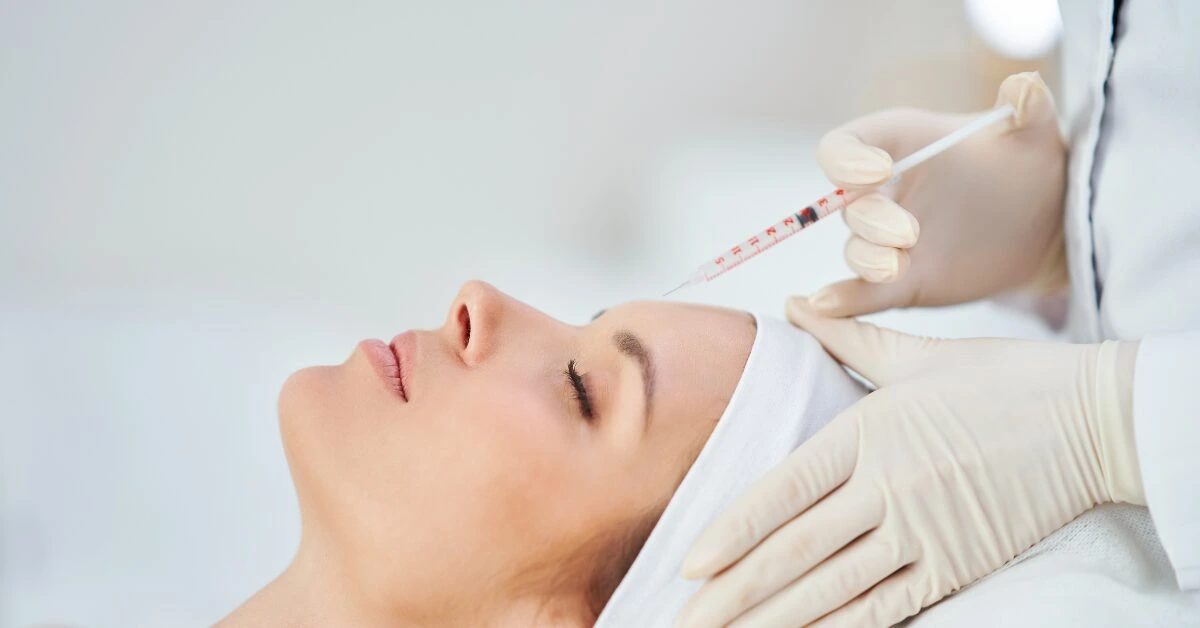
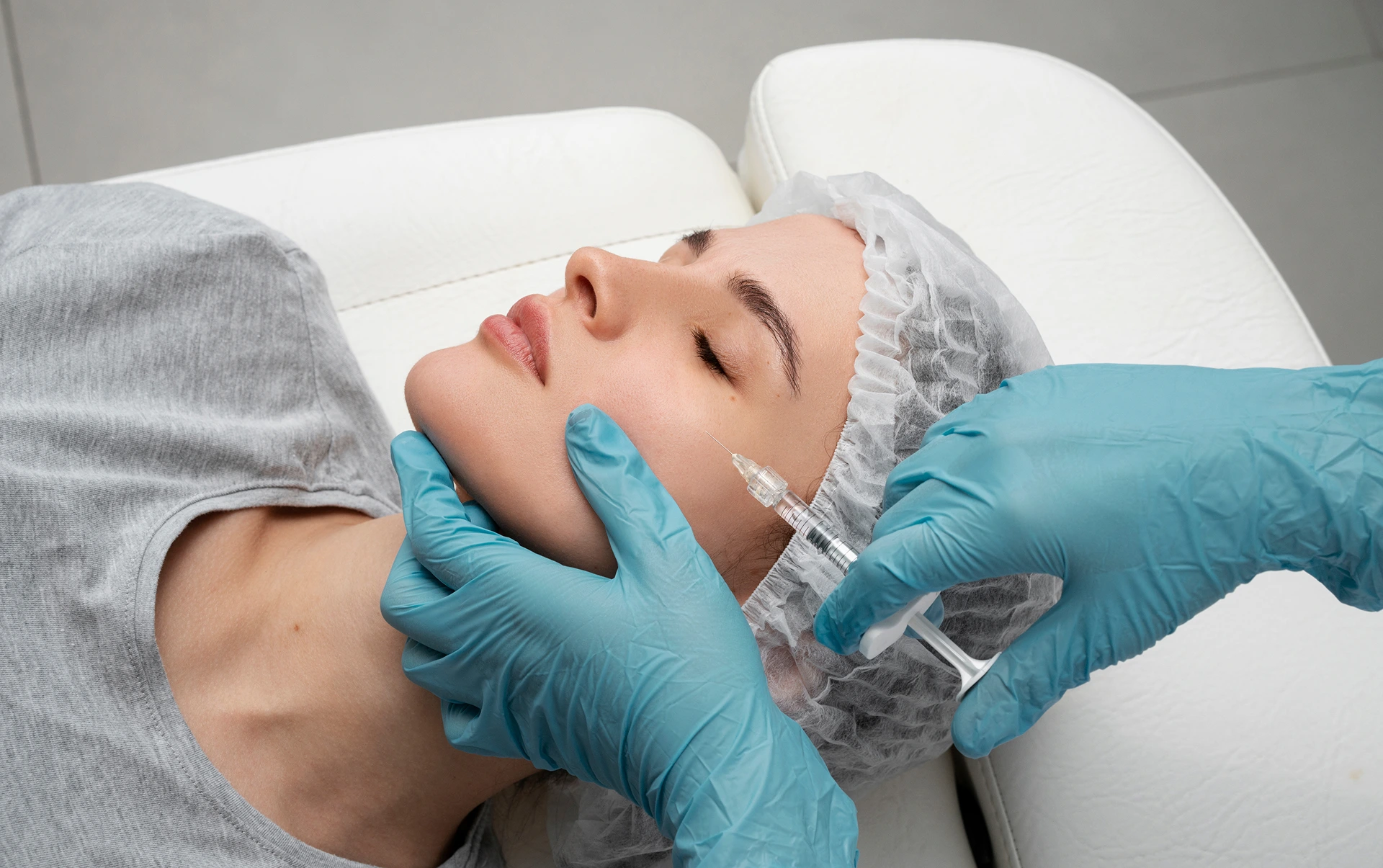
Botox treatment for eyes is a non-surgical solution that targets these very concerns, providing you with a smoother, more youthful eye area. Whether it’s Botox for crow’s feet, under-eye wrinkles or lifting the eyebrows, Botox can help rejuvenate the area around your eyes, giving you a refreshed and natural look.
What Botox Can Do for the Eye Area ?
Botox is a safe and effective treatment for rejuvenating the delicate skin around the eyes. Here’s how Botox for eyes can target common concerns:
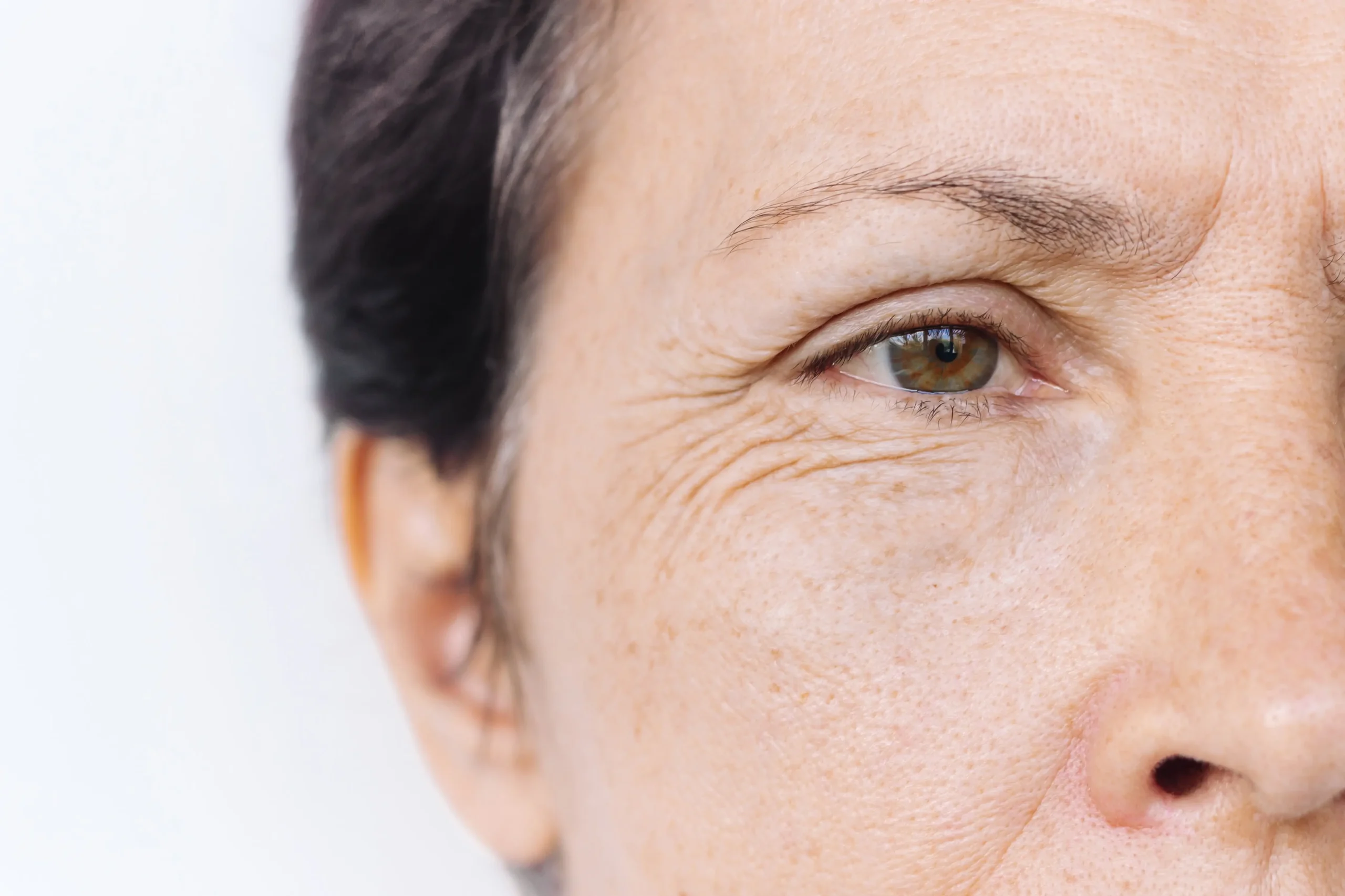
- Botox for Crow’s Feet: Crow’s feet are the fine lines that appear around the outer corners of your eyes when you smile or squint. Botox injections can smooth these lines, giving you a more youthful and refreshed look.
- Botox for Under-Eye Wrinkles: This area can show signs of ageing, such as fine lines or hollowing. Botox helps to relax the muscles under the eyes, reducing wrinkles and giving a smoother appearance.
- Botox for Eyebrow Lift: Botox can be used to lift and shape the eyebrows, giving your eyes an instant lift and enhancing the overall look of the face. This treatment works particularly well in combination with Botox for the eye area.
- Botox for Eye Bags: Although Botox is typically used to smooth wrinkles, it can also help reduce the appearance of puffiness or bags under the eyes, especially when combined with other treatments.
- Botox for Tear Troughs: Botox can address hollow areas under the eyes (tear troughs), although it is often combined with dermal fillers for optimal results.
How Is Eye-Area Botox Different From Botox in Other Parts of the Face?
Botox can be used on other areas of the face, such as the forehead and frown lines. However, eye-area Botox is focused explicitly on delicate areas like the crow’s feet, under-eye wrinkles and brow lifts. The dosage and injection points for eye-area Botox differ from other facial treatments, as these areas require more precision due to the thin skin.
What’s the Difference Between Botox for Crow’s Feet and Under-Eye Wrinkles?
While both areas are around the eyes, Botox addresses them differently:
Treatment Area | Botox Action | Ideal For |
|---|---|---|
Crow’s Feet | Smoothens fine lines and wrinkles around the outer corners of the eyes | Those with visible smile lines or wrinkles |
Under-Eye Wrinkles | Reduces fine lines and smoothens the under-eye area | Ideal for those with ageing or tired-looking eyes |
How Can Botox Help Reduce Dark Circles and Fine Lines Around the Eyes?
While Botox is primarily used for smoothing wrinkles, it can play a role in a broader eye rejuvenation plan. Botox for dark circles is a lesser-known treatment, but it can be used in combination with other treatments like dermal fillers to reduce the appearance of dark circles. By relaxing the muscles under the eyes and reducing puffiness, Botox can help in the overall rejuvenation process.
Expected Results: Before and After
The results of Botox for the eyes are noticeable almost immediately. Most patients report seeing improvements in the appearance of crow’s feet, under-eye wrinkles and brow shape within a few days.
Before Treatment:
- Fine lines and wrinkles around the eyes
- Puffy eyes or under-eye bags
- Drooping eyelids or brows
After Treatment:
- Smoother skin and reduced wrinkles around the eyes
- A lifted and refreshed look to the brow area
- Less puffiness and a rejuvenated under-eye area
You may experience mild swelling or bruising right after the procedure, but this typically subsides within a few days.
Is Botox Around the Eyes Safe, and What Side Effects or Recovery Time Should You Expect?
Botox is a safe and non-invasive procedure when performed by a trained professional. However, as with any cosmetic treatment, there are some potential side effects:
Side Effects
Bruising, swelling, mild headaches or eyelid drooping (rare)
Recovery Tips
- Avoid touching or massaging the treated area.
- Stay upright for a few hours after treatment to help the Botox settle in.
- Refrain from strenuous physical activity for at least 24 hours.
Who Is the Ideal Candidate for Botox Around the Eyes?
Botox for eyes is suitable for most individuals looking to address fine lines, wrinkles, or drooping around the eye area. Ideal candidates are:
- In generally good health
- Between the ages of 30 and 65
- Looking for non-invasive solutions to rejuvenate their appearance
However, Botox may not be suitable for pregnant individuals, breastfeeding or have certain neurological conditions. Always consult a qualified professional to determine the best course of action for your needs.
How Much Botox Is Needed Around the Eyes, and Where Is It Injected?
The amount of Botox needed for the eye area varies depending on the area being treated and the severity of the wrinkles or puffiness. Typically:
- Crow’s feet: 6–10 units per side
- Under-eye wrinkles: 4–6 units per side
- Eyebrow lift: 4–6 units
It’s essential to consult a trained injector to determine the right amount for your specific needs.
How Long Does Botox Around the Eyes Take to Work, and When Will You See Results?
After receiving Botox for eyes, you can expect to see the initial effects within 3-5 days, with full results visible in about two weeks. The rejuvenating effects typically last for 3-4 months, after which a follow-up treatment may be necessary to maintain the results.
How to Combine with Other Aesthetic Treatments
To enhance the effects of Botox, many patients choose to combine it with dermal fillers or other treatments such as chemical peels. This combination can address multiple signs of ageing in the eye area, such as hollow tear troughs, puffiness and wrinkles.
Enhance Your Look with Ihya House Of Aesthetics
If you’re looking for expert Botox for eye treatments in Birmingham, Ihya House of Aesthetics is here to help. With a team of experienced professionals, we offer customised Botox treatments tailored to your specific needs, ensuring natural and youthful results. Whether you’re looking to smooth crow’s feet, lift your brows or reduce puffiness, we provide safe and effective treatments to rejuvenate your eyes.
Take the first step towards a refreshed, youthful look!
Frequently Asked Questions
How long does Botox for eyes last?
Botox for eyes typically lasts between 3 to 4 months. After this time, the effects will gradually fade and you may need another treatment to maintain the results.
Can Botox help under-eye dark circles?
While Botox isn’t the primary treatment for dark circles, it can help when combined with dermal fillers. Botox can reduce puffiness and smooth fine lines around the eyes, contributing to a refreshed look.
Are there risks to Botox around the eyes?
Botox is generally safe when performed by a trained professional. Risks include bruising, swelling or in rare cases, eyelid drooping. These side effects are usually temporary.
How quickly will I see results after Botox for eyes?
Most patients begin to see noticeable results within 3-5 days, with the full effect visible within 1-2 weeks.
Can Botox for eyes be combined with fillers?
Yes, Botox can be effectively combined with dermal fillers to address multiple concerns around the eyes, such as fine lines, wrinkles and volume loss.